How to identify and reduce stress
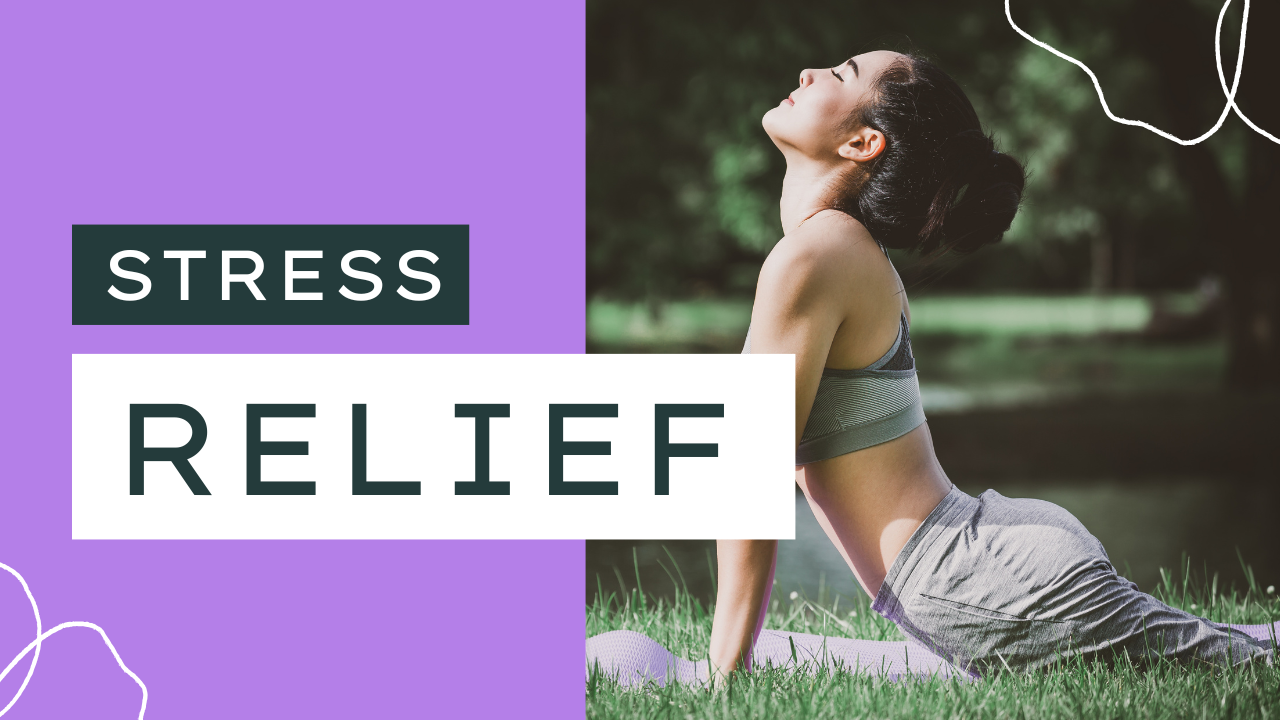
Stress is an expected and normal part of life. However, when stress becomes overwhelming, it can have serious effects on a person’s health. The good news is that we can identify what triggers our stress and use this information to help manage our stress levels more effectively. We can help to manage our stress levels by identifying our triggers for stress, using stress relief tactics, and reflecting on what works best. Through this process, people should be able to manage their stress levels and, as a result, see improvements in their health and well-being.
Stress is going to look different for each person based on the circumstances in their lives. Everyone will have different triggers that cause their stress. Some common forms of stressors are work pressure, relationship conflict, financial worries, and other major life changes. The first step to recognizing your stress levels is to notice and pay attention to your physical and emotional, and behavioral reactions when you are under stress.

When we think of stress, we often think of the emotional signs that we are experiencing stress. However, there are also physical signs that we are experiencing more stress than usual. One common physical sign of stress is muscle tension, especially in the shoulders and neck. Headaches, digestive issues, trouble sleeping, and low energy are other signs of stress in the body.
On the other hand, some emotional changes to keep an eye out for include feeling overwhelmed, increased worry, or mood swings. Some other emotional changes are feeling on edge or having a difficult time finding pleasure in activities that were previously enjoyed. People might find that they feel burnt out or sad more often.
While it can be difficult to notice behavioral patterns in our own behavior, we can look out for a few patterns. These patterns include difficulty staying organized or focused, or procrastinating more often. Other behavioral changes are changes in eating patterns and isolating from social outings. In extreme cases, people may turn to unhealthy or dangerous habits to cope with their stress.
While these are common patterns to look for, they aren’t the only patterns that are symptoms of high levels of stress. It can be helpful to keep a tracker or thought log of times that you feel more stressed to help identify triggers.
If you are noticing that you are experiencing more stress in your life, we are going to offer some tips to reduce stress. We hope that these tools help you to reduce stress and experience improved well-being.
• Breath work: Working on breathing exercises can be a helpful way to reduce stress. There are many breathing exercises available to follow to help promote relaxation. Using our breath as a tool for stress relief is helpful because we will always be able to use it. Yoga, guided meditation exercises, and mindfulness exercises also incorporate breath work to help decrease stress.
• Exercise: Physical movement is a great way to work on lowering stress levels in your life. Exercise does not have to be intense to be helpful. Workouts such as walking, stretching, and yoga are great forms of movement that can be incorporated easily into daily routines. Even short workouts will help reduce stress levels over time.
• Sleep Hygiene: Working on your sleep routine is an important step in improving your overall mental health. Getting enough sleep is important to ensure that our minds and bodies are working as efficiently as possible. Going to sleep and waking up at the same time daily is another way to improve your sleep health.
• Healthy Boundaries: Creating healthy boundaries in your life is imperative to reducing stress levels. A lot of the stress in our lives comes from difficulties in relationships that could be addressed through boundaries. Setting boundaries is not selfish; it is better for the long-term health of relationships.
• Connection: Staying connected with loved ones is an important part of ensuring lifelong wellbeing. Maintaining strong relationships with friends and family can help to reduce feelings of loneliness and provide comfort during difficult times. Isolation can lead to negative mental and physical health concerns. Focusing on connection is a great way to reduce and maintain lower stress levels.
Stress reduction plays a significant role in our mental and physical health. Reducing stress levels in your life can reduce physical pains and muscle stiffness. Increased stress relief also supports a strong nervous system and strengthens our immune systems. When we feel more relaxed and less stressed, we are also more likely to be in a better mood. Chronic stress can lead to issues with your heart and inflammation. Reducing stress can help reduce these symptoms. On a cognitive level, stress reduction helps us to be mentally strong and respond better to daily obstacles. Reducing stress levels can also help people experience better quality sleep.

Everyone experiences stress in varying degrees throughout their life. Learning how to manage your own stressors in your life can help you find ways that might be helpful in decreasing stress. We can identify the triggers to our stress by paying attention to the times that we are experiencing the most stress. Many stress relief tactics promote relaxation and can be helpful in stress management over time. Reducing stress isn’t about removing all stress from your life. Instead, it’s about learning what tools are most helpful for you and learning how to use them when stressors come up in life. Even small changes can make big changes in your physical and mental health. Unfortunately, stress will always be a part of our lives, but if we learn how to respond to it in productive ways, we can transform our overall health.
Dr. Garrett is the founder of Core Chiropractic in Birmingham, AL. While most health care is focused on temporary relief, the staff at Core Chiropractic focus on creating solutions to a wide spectrum of health conditions. Connect with Dr. Garrett at (205) 206-9341 or via online form.